
 03 9102 1452
The Experts You Can Trust for Long-Lasting Repairs

- Fast and Reliable Service

- Licensed & Insured Professionals

- No-Obligation Quotes
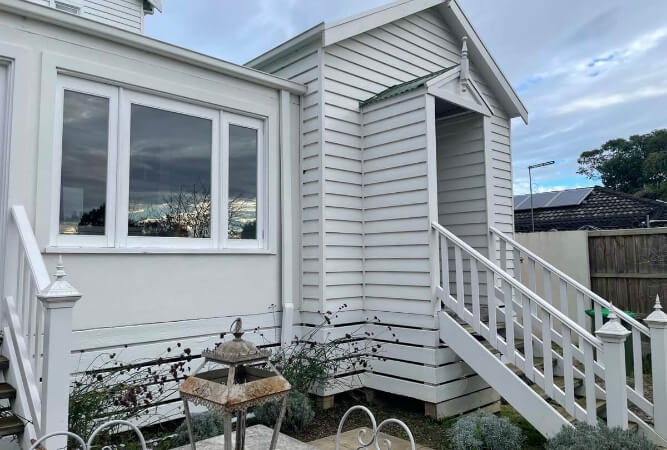
If your home is old and has some character, chances are it might have a few other things of note. You might have some doors that don’t shut as smoothly as before and need a good shove to get closed. Perhaps one of your floors has a bit of a slant, and the walls have a crack or two in them. Foundation and subfloor problems are actually pretty common in Melbourne, and the earlier you catch them, the easier and less costly they are to fix.
The good news is that thanks to Vic Metro Underpinning and Restumping, your underpinning Melbourne specialists, there are a few solutions available to you.
You can have your house re-levelled, underpinned or restumped, depending on what symptoms your house is suffering from. While all three address structural issues they each are quite unique in what they do and when you need them.
Let’s have a look at the three different scenarios.
What Signs Indicate You Need Some Work On Your Home?
Before we look at the differences between these three methods of stabilising your home, let’s investigate what signs show up in your home or around the outside of your house you can see that indicates there is a problem that needs a fix.
These problem signs with your home can indicate multiple problems. Uneven or sloping floors could mean you need your home restumped, or it may indicate your home needs re-levelling.
Some signs are specific to different kinds of homes and the solutions as well. You wouldn’t restump a home that is sitting on a foundation, as they don’t have stumps, for example.
Here is a list of common household defects that indicate you need one of the three solutions:
- Step cracking on interior walls. Cracks in the brickwork that follow the contour of the bricks, so it looks like steps in the wall as they follow the mortar joints.
- Widening cracks. Cracks in your wall that are wider than 3mm, are wider at the top than the bottom, or are noticeable getting wider over time.
- Horizontal cracks. These suggest pressure from outside soil through subsidence or moisture change.
- Doors and windows jamming. If your doors or windows are getting stuck, or there are large gaps around a door or window, it shows signs of frame warping.
- Separation. If walls are separating from the ceiling or floor, cabinets becoming separated from walls, floorboards separating from the corners of your rooms, it suggests significant movement of your house.
- Leaning walls. This is an extreme sign that your house is moving, and we strongly suggest if you have leaning walls, to call us as soon as possible.
- Bouncy or uneven floors. Your floors should be solid and level. If they’re uneven, which you can test by rolling a ball, there could be some foundation issues. If they are a little bouncy, it could be your stumps.
These are the most common signs something needs to be fixed. A professional assessment from Vic Metro Underpinning and Restumping can pinpoint the cause of the damage, and recommend the best way to solve the problem.
If you’re worried about your home’s lean and need some house relevelling in Ballarat, Bendigo or Northcote, contact our team on 03 9020 5005 to get an obligation free quote today.
What Is House Re-levelling?
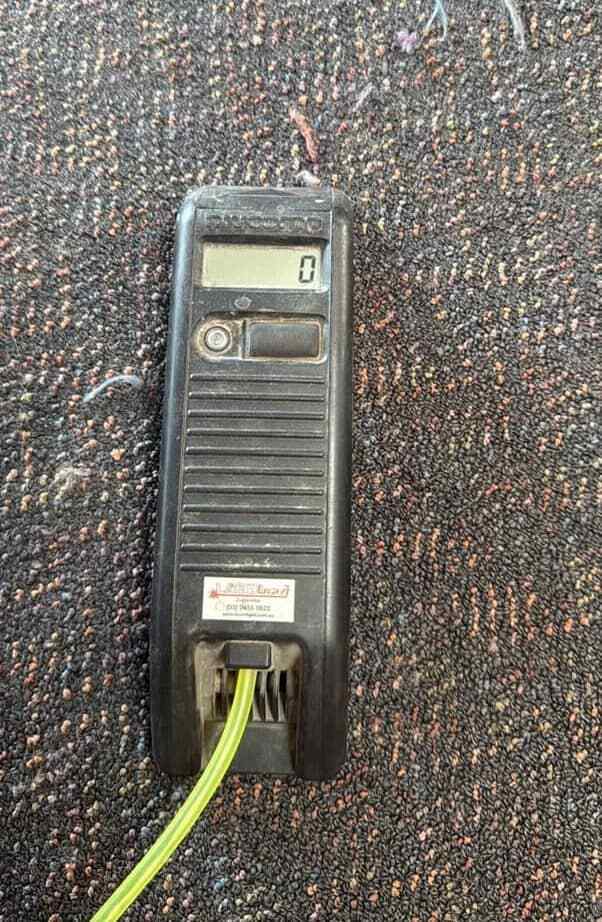
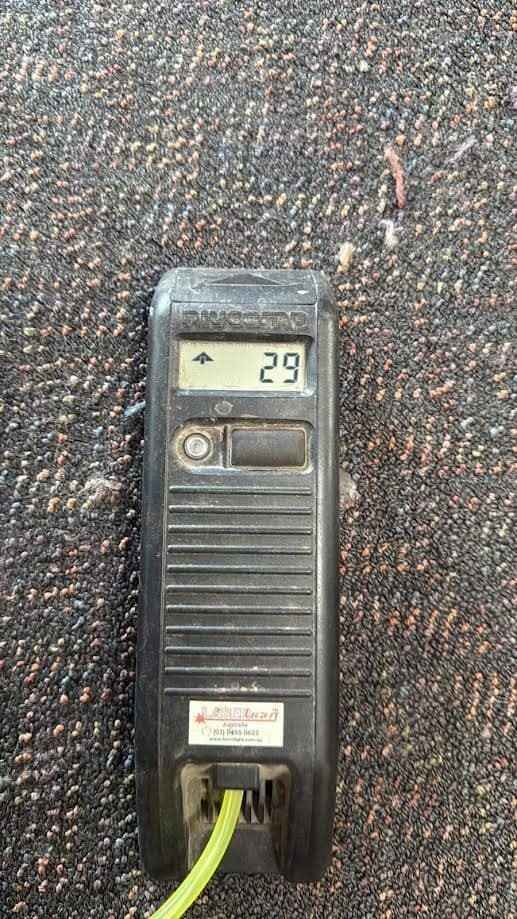
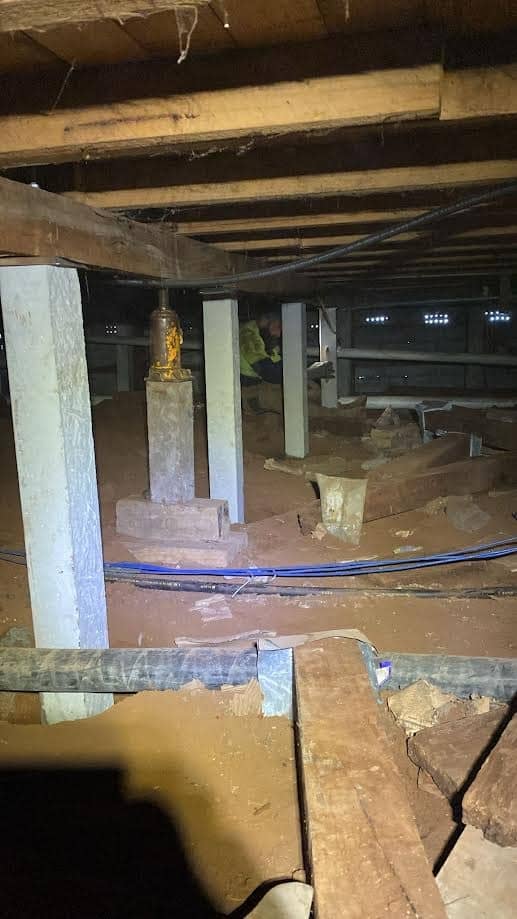
House relevelling, or floor leveling, is the process of restoring a sunken or shifted home back to its original position. It is done by adjusting or replacing stumps, bearers or joists beneath the floor. It is often caused by soil movement because of environmental factors.
Re-levelling is often performed with hydraulic jacks to lift the bearers and adjust or replace stumps, or packing gaps to ensure the structure is stable. More modern techniques involve injecting resin or using screw piles to address foundation sinking.
Re-levelling is often needed when the foundations have settled unevenly due to soil conditions, such as expansion or contraction. Poor soil drainage or leaking underground pipes can impact the soil and cause slippage as well.
What Signs To Look For To Indicate You Need House Re-levelling
Here are some key signs that indicate you may need house re-levelling:
- Uneven floors, floors which are sloping or sagging.
- Doors and windows that are jamming, and are tough to open and close.
- Sinking or bowing walls, or wall separation, particularly in corner joists.
- Cracks in the plasterboard or drywall, or stair-step cracks in the mortar between bricks.
- On the outside- if the chimney is pulling away from the house, or you discover cracks in the foundation slab or concrete stumps.
What is Underpinning?
Underpinning is where you strengthen and stabilise a building’s existing foundations by extending them deeper to a more stable soil layer, or by increasing the foundation surface area. It is used to repair subsidence or to support increased loads if someone is adding a second storey to their house.
Underpinning is used to help support a home when adjacent construction compromises the existing structure. And it is used to stabilise old foundations in older homes to meet modern engineering standards.
Techniques often used for underpinning include concrete pit underpinning, resin injection or mini-piling.
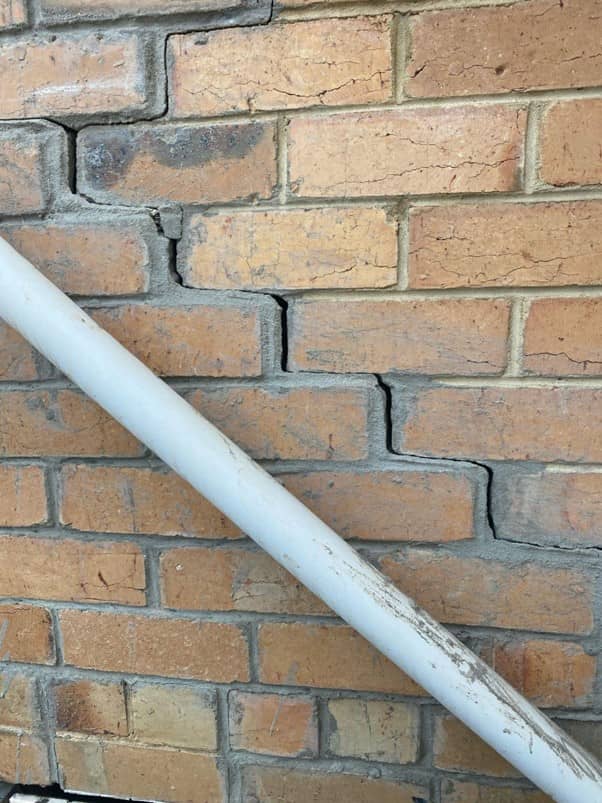
What Signs to Recognise That You Need Underpinning
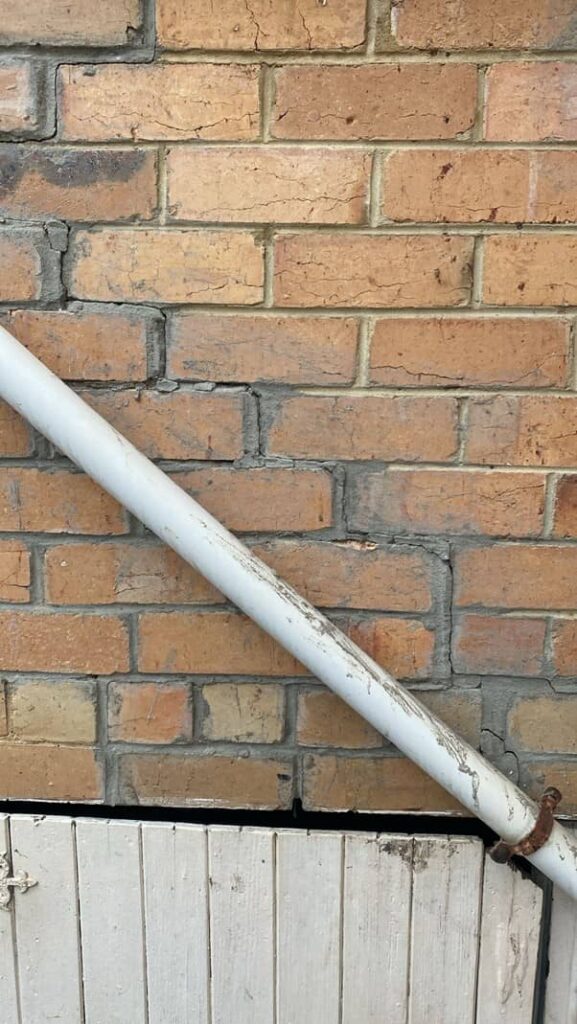
- Diagonal or stepped cracking along walls are a classic sign of foundation movement.
- Cracks that widen noticeably over time can indicate foundation movement.
- Cracks around openings, such as doors and windows, indicate the frames are pulling away from the walls.
- Gaps around doors, or doors and windows which stick when trying to open or close them.
- Sloping or uneven floors. If you walk through a room and it feels like walking downhill, there’s a high chance a foundation is sinking.
- Outside, if you notice your roof is sagging or dipping in the middle, this indicates the house sinking.
- Big trees near the house can have invasive root systems that can change the soil dynamic.
- If you notice water pooling around the sides of your house, or around your foundation, or concrete slab, this can compromise the soil integrity and cause your home to begin to shift.
What is Restumping?
House restumping in Melbourne is where we replace old or damaged stumps, or in the case of wooden stumps, sometimes they’re rotting or have been impacted by termites. We install new stumps, often made of steel or concrete, for strength and longevity.
We use hydraulic jacks and strong supporting timber beams to support the house while the broken stumps are removed and the newer, stronger jacks are installed. The house is lowered back down and the level checked with precise measuring equipment. It can take around 5 or 6 days to complete the job to our satisfaction.
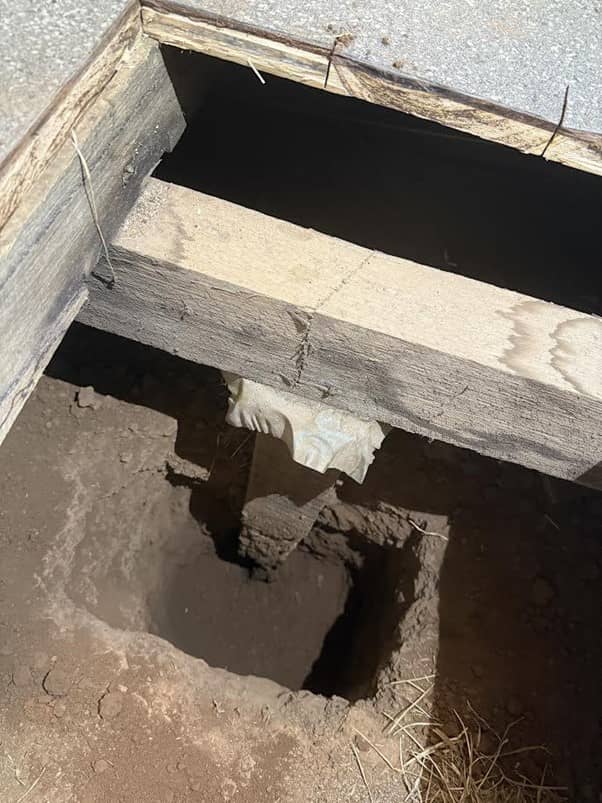
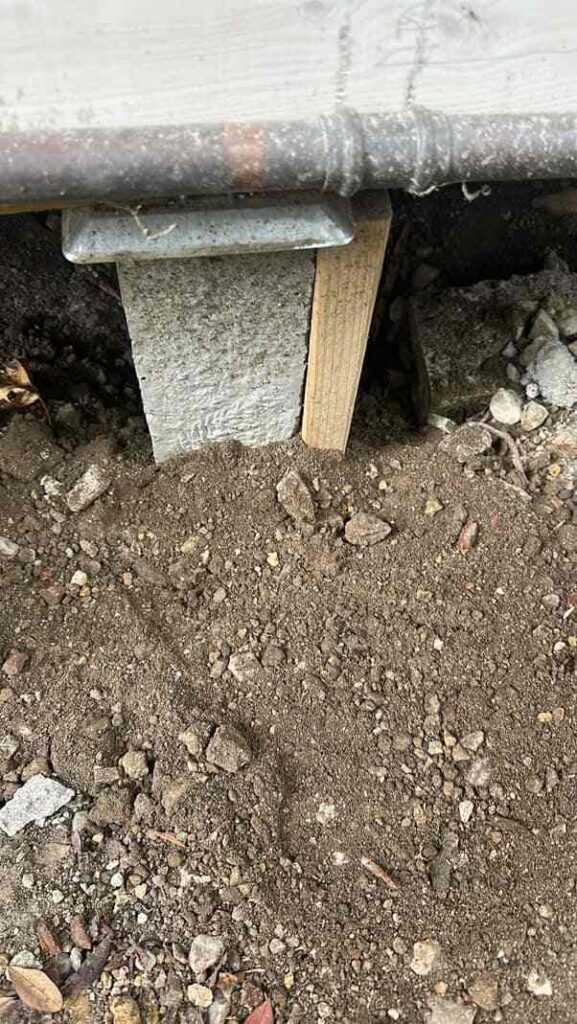
How To Tell If You Need Restumping.
- If you noticed sloping or uneven floors in a specific part of a room, or your floors are spongy underfoot.
- If you inspect your stumps and notice visible damage.
- Gaps between the floor and the wall finishes.
- Cracks in the walls, the drywall or brickwork, especially near doors or windows.
- If the doors and windows are sticking and making it difficult to open or shut.
As you can see, the symptoms which indicate you need one, or more, of these fixes are quite common across all three instances. This is why it can be hard to know what your house needs, and why the experts from Vic Metro Underpinning and Restumping can help you understand what your house needs.
What is the Difference Between the Three?
- Relevelling adjusts existing supports to support and stabilise uneven floors.
- Underpinning strengthens a sinking foundation by extending it deeper.
- Restumping replaces failed stumps under raised houses.
That’s the simple answer to the differences between the three methods of supporting your home. Let’s dig a little deeper.
Relevelling
This is less invasive than restumping. We can use hydraulic jacks to lift and level your house, and insert packers to level the floors. If your floors are slightly dipped or sloped, we can ‘jack and pack’ your house to make it level.
Underpinning
Used to strengthen the foundations of your home, especially when the soil your foundations are on become compromised, or will not be able to handle extra weight from the foundations. If your brick walls have large, diagonal cracks, or your windows are warping and sticking, your foundation likely needs underpinning.
Restumping
Removing old, rotted or failed timber stumps, or concrete stumps that are cracked and failing, and replacing them with new, stronger, more stable stumps. Houses are jacked up and stabilised while the new stumps are installed.
If your floors are sloping, or you notice a spring in your step as you walk through a room, or if you notice your house has shifted, has a lean, then restumping will probably fix that problem.
Which One Do I Need?
The honest answer is it depends. That’s exactly why a professional assessment is so important. Many of the symptoms overlap, and sometimes a home needs more than one solution. The only way to know for sure is to have an expert take a look.
When you need foundation repair in Melbourne, Vic Metro Underpinning and Restumping, we’ve seen it all. Floors that wobble from door to door, walls with cracks you can slip your hand inside and doors you need to hammer open and shut. We can diagnose your problem and recommend the right fix for your home and budget.
Get in touch with the team today for an obligation-free assessment. We’ll give you straight answers and a clear plan, so you can get your home back to its best.
House Re-Levelling vs Underpinning vs Restumping: Which Does Your Melbourne Home Actually Need?
Older Melbourne homes have character and sometimes that character comes with a few warning signs. You might have some doors that don’t shut as smoothly as before, or floors with an unexpected lean. Foundation and subfloor problems are pretty common in Melbourne, and the earlier you catch them, the easier and cheaper they are to fix.
The good news is there are three proven solutions: re-levelling, underpinning, and restumping. Each addresses structural problems differently, and knowing which one your home needs can save you time and money.
Warning signs to look for
Many symptoms overlap across all three issues here’s what to watch for:
- Stair-step cracking in brickwork or mortar joints
- Cracks wider than 3mm, or visibly growing over time
- Horizontal cracks (a sign of soil pressure from outside)
- Doors or windows that stick, jam, or show large gaps around the frame
- Walls separating from ceilings, floors, or cabinets
- Leaning walls – call us immediately if you see this
- Uneven or bouncy floors (try the rolling ball test)
House re-levelling
Re-levelling restores a sunken or shifted home to its original position by adjusting or replacing stumps, bearers, or joists beneath the floor. Uneven soil movement from drought, heavy rain, or poor drainage is usually the culprit.
We use hydraulic jacks to lift bearers and adjust or replace stumps, packing gaps to stabilise the structure. Resin injection and screw piles are newer techniques for more complex cases.
Underpinning
Underpinning strengthens and stabilises a building’s existing foundations by extending them deeper into stable soil, or by increasing their surface area. It’s the right solution when foundations are sinking, when you’re adding a second storey, or when nearby construction has compromised your structure.
Common techniques include concrete pit underpinning, resin injection, and mini-piling.
Restumping
Restumping, also called reblocking, means replacing old or damaged stumps. Timber stumps can rot or attract termites; concrete stumps crack with age. We replace them with steel or concrete stumps built to last.
We use hydraulic jacks and heavy timber beams to support the house while the old stumps are removed and new ones installed. The whole job typically takes 5–6 days, and we check every level before we’re done.
The difference in plain terms
- Re-levelling – adjusts existing supports to fix uneven floors
- Underpinning – extends failing foundations deeper into stable ground
- Restumping – replaces deteriorated stumps under raised homes
Which one do you need?
Honestly, it depends and that’s exactly why a professional assessment matters. Many of the symptoms overlap, and sometimes a home needs more than one solution.
At Vic Metro Underpinning and Restumping, we’ve seen it all floors that wobble underfoot, cracks wide enough to fit your hand, and doors you have to force open. We can diagnose your problem and recommend the right fix for your home and budget.
Call us today for an obligation-free assessment. We’ll give you straight answers and a clear plan to get your home back to its best.
Our experts provide a FREE Structural Assessment and tailored solutions for wall cracks. Protect your home’s value and stability today.
 Contact Us Before It’s Too Late!


What Are Our Clients Saying About Us?

We just had our '50s weatherboard restumped in Ballarat and what an amazing job. Shnai is an amazing communicator and a pleasure to negotiate details with. The 2 gentlemen workers were just that - very respectful of customer and their… more
Nothing but positives for these guys, Shnai and her contractors provide a second to none service with Shnai being on top of all steps of the process and answering any questions that came up. The group of guys she has… more
I can't thank the team enough for quick turn around whilst I'm preparing to renovate. Shnai was a great happy with all the recommendations provided.
Shnai and the team have been brilliant to work with, and went above and beyond to answer all of my questions and provide great advice on my restumping project. Shnai was very professional and understanding of my concerns, and I… more
Shnai and the professional stumper were both absolutely great. They organised a comprehensive assessment of the property at very short notice. They explained the issues clearly and thoroughly. Very professional.
Thank you for assisting us during our difficult journey. We had a water damage from our water tank which caused us a lot of issues. Shani helped us with the whole process. To the extent of liaising with our insurance… more
The Vic Metro team underpinned my house in Maribynong. They did an excellent job; a professional, efficient and effective team. Was highly impressed with their work and work ethic.
Thank you, Vic Metro team, for helping with our property's restumping. They were incredibly helpful and managed to complete everything within the promised time. Will definitely be recommending to others!!!
Thank you for assisting us with our property. We appreciate you fitting us in such short notice. Shnai was amazing to deal with.
Want to thank all the team at Vic metro for the great job they did. Special mention to Shnai for always answering all my questions and always getting back to me. Great crew who know what they are doing, thanks… more
